
Policy Page
A new way of doing things for 2020
My hope for 2020 is that our government officials will find the courage and willingness to tackle some thorny issues, including: overhaul New Jersey’s retirement and health care plans for state and school employees, consolidate school districts and remove barriers to allow regionalization of tax assessment, health services, municipal courts and fire and police services. If tackled, these measures will, over time, provide for better care and services to taxpayers while freeing up billions of dollars to invest in infrastructure, retraining and education programs and reducing the crushing tax burden on residents and businesses.
Giving yields the greatest ROI
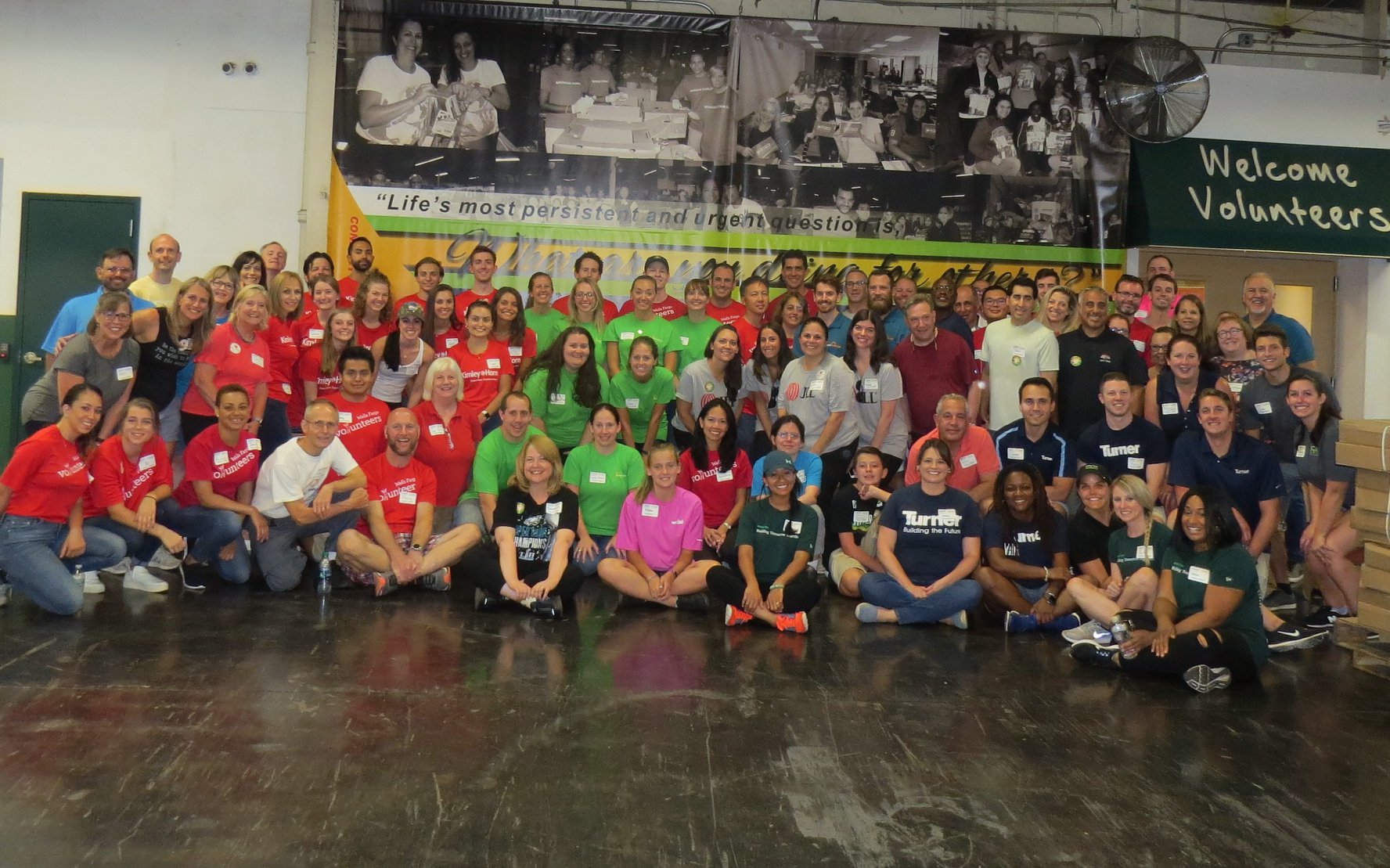
Times are good now for the commercial and industrial real estate industry, and those professionals that comprise NAIOP are an integral component in successful economic development projects. These same industry professionals also are doing great things for our fellow New Jerseyans.
Gridlock in Trenton: Not what investors want
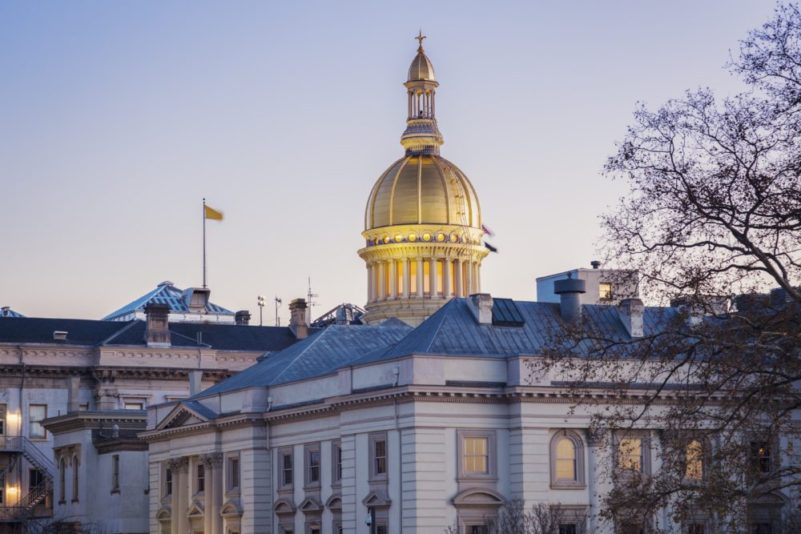
Messaging from Trenton over the last several months, “airing dirty laundry” and delayed payments and responses to companies involved in the state’s incentive programs are scaring away legitimate businesses from setting roots in New Jersey. Businesses need certainty and clarity. Why don’t we pivot the conversation to one about how to make robust investments in our people and infrastructure without any further distractions and political roadblocks?

Industrial’s surge brings opportunity — and the need for critical growth strategies
Industrial real estate is still surging as commercial real estate’s hottest property type, and that’s no more evident than right here in New Jersey, providing a chance to showcase the innovation and creativity that’s taking place in the industry.
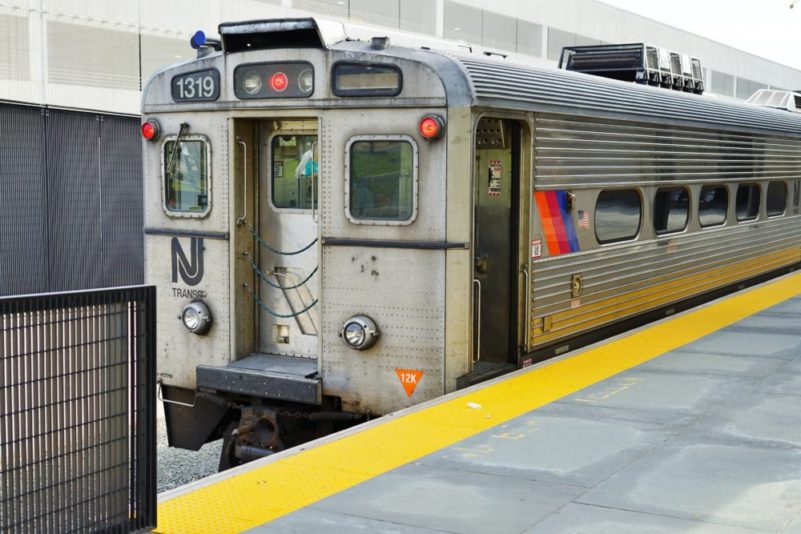
Improved transit is key to New Jersey’s future
Legislation was enacted last November that requires NJ Transit to establish an office of real estate economic development and transit-oriented development to assess all its properties and annually recommend how best to increase NJT’s non-fare revenues. The goal is to enable NJT to have more funds to invest in its operations, maintenance and capital projects in order to improve performance for bus, rail and light rail passengers.