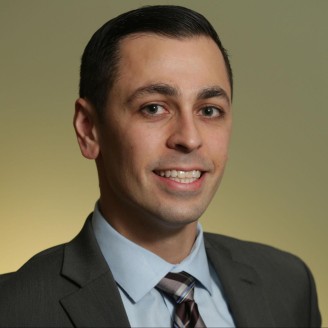

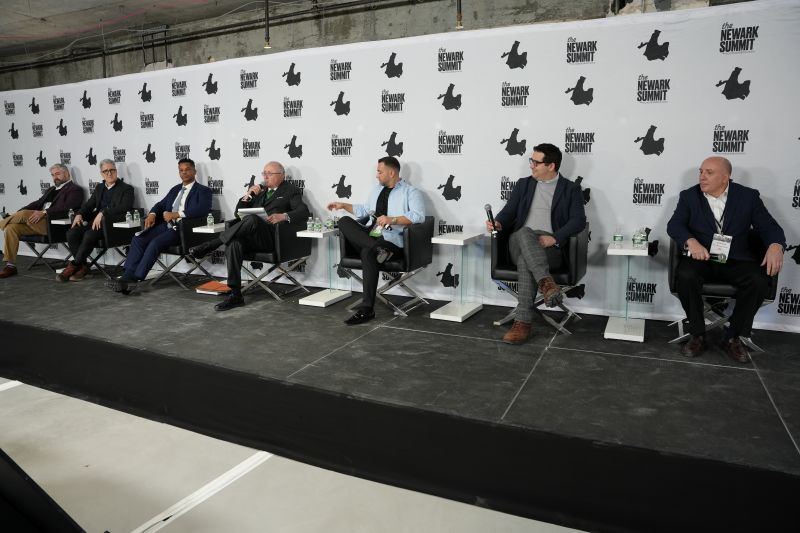
From left: Jorge Santos of the Newark Alliance, Brian Murray of SHIFT Capital, Bernel Hall of New Jersey Community Capital, Frank Ferruggia of McCarter & English, Pedro Gomes of Gomes Group, David Wolfe of Skoloff & Wolfe PC and Jose Cruz of JLL participated in the capital markets, finance, tax and incentives panel at the Newark Summit for Real Estate, Economic Development & Placemaking. — Photos courtesy: roundtable&advisory
By Joshua Burd
Investor appetite for commercial real estate in Newark is strong. That much was clear from this week’s Newark Summit for Real Estate, Economic Development & Placemaking.
Finding the right deal is another story.
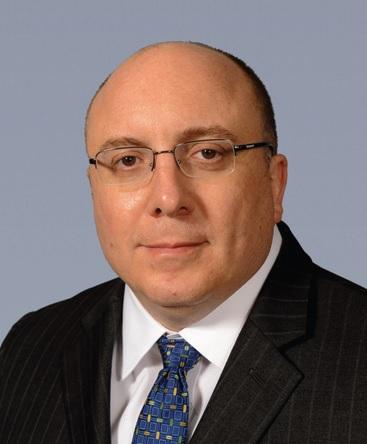
Jose Cruz
“I think the challenge that Newark has is a lack of opportunities to put capital to work here,” said Jose Cruz, who leads JLL’s investment sales team in New Jersey, noting that investors do in fact recognize the city’s fundamentals. He pointed to the buildings that were visible just outside 550 Broad St. — the office tower that hosted the daylong program — including, for instance, the 168-unit luxury apartment high-rise known as 50 Rector Park that opened in 2019.
“If that were available, that would drag a ton of capital here,” Cruz added. “So the more opportunities, the more capital will present itself.”
It was a reminder of Newark’s allure as a destination for those who see the value of its workforce, transit access and deep network of anchor institutions. Capturing that upside is far more complicated, according to Cruz and other panelists who explained why and how developers, investors and other stakeholders are making deals work in the city.
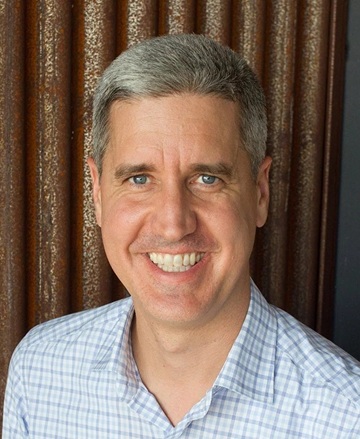
Brian Murray
“Every tool is critical to getting the math to work,” said Brian Murray, founder and CEO of SHIFT Capital. That includes the 25-year tax abatement that the city granted to SHIFT and Hanini Group for 10 Commerce Court, a former office building that the firms converted to 110 luxury apartments, requiring that 20 percent are reserved as affordable housing.
The agreement was key to financing the deal, Murray said, adding that city and state officials are striving to promote equitable growth while giving the necessary tools to developers.
“That combo is really, really powerful,” he said. “It’s why we’re here and why we’ll probably continue to be here.”
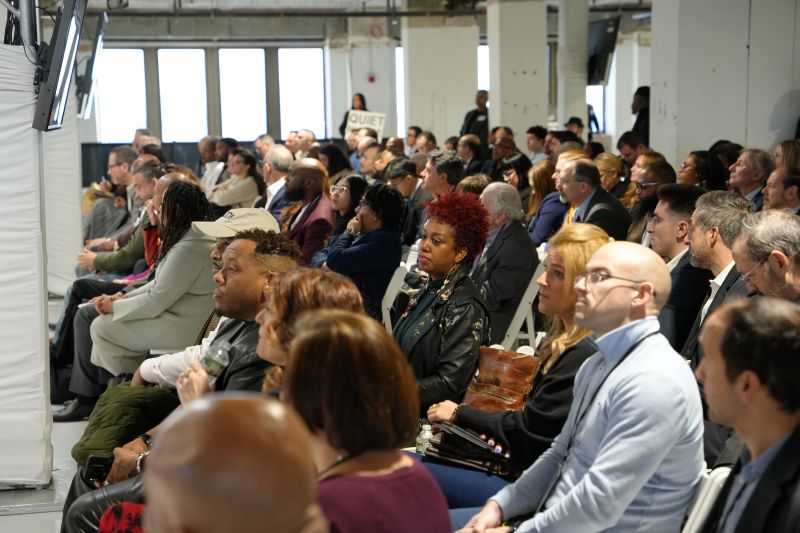
Cruz, Murray and others were among the dozens of panelists and presenters that took the stage Monday at the Newark Summit by roundtable&advisory, which drew more than 1,200 attendees from across the private, public and nonprofit sectors. Many were on hand for the mid-afternoon session moderated by Frank Ferruggia of McCarter & English, as speakers broke down the role of financing, tax incentives and other funding sources.
To be sure, Murray said that not every developer has easy access to capital. While institutions are undoubtedly intrigued by the city, “if you’re a smaller developer and you’re not tied into regional banks … it is still a struggle to finance stuff in Newark.”
Filling that void often falls on the nonprofit community development financial institutions, commonly known as CDFIs, with longstanding ties to the city.
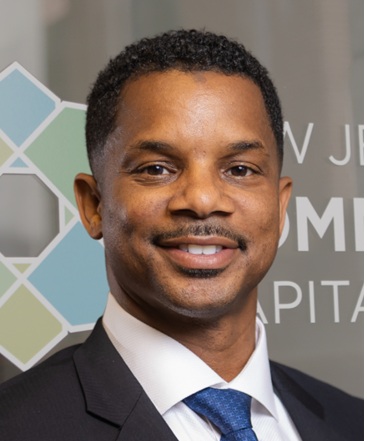
Bernel Hall
“We’ve found there to be more than enough opportunities to keep the cranes going for the next 20 years,” said Bernel Hall, CEO and president of New Jersey Community Capital. “Now, the way you define opportunity, I think, is where sometimes there are challenges.”
NJCC’s investments in Newark run the gamut, Hall said, from supporting the new Cooperman Family Arts Education and Community Center downtown to investments on South 17th Street, Badger Avenue and other blocks across the city.
“That’s kind of how you have to look at Newark,” he said. “It’s not a one-size-fits-all city. You really have to look for the opportunities that meet the city’s needs versus just looking at it from an expected return on investment standpoint. And I think that’s where we’ve had a lot of success.”
Murray noted that multiple CDFIs stepped up two years ago when “we had a major bank pull out of the construction financing (for 10 Commerce Court) … which I think was a sign of the times.” With their certificate of occupancy in hand, SHIFT and Hanini are now looking to refinance the project but are bracing for additional speed bumps, he said, adding that there are still “some challenges in the marketplace” that are weighing on appraisal values.
“Rents, though, are strong … and definitely compared to other marketplaces,” Murray said. “We work in a lot of secondary markets. We work also in Philadelphia, Baltimore, D.C. — and I would say the Newark rents of all of our markets have been absolutely the strongest. So I think that that bodes well for the continued future of multifamily.”
Another wrinkle
A long-awaited revaluation in Newark is moving ahead and slated to take effect in 2027, creating another variable for investors and developers to consider in the months ahead.
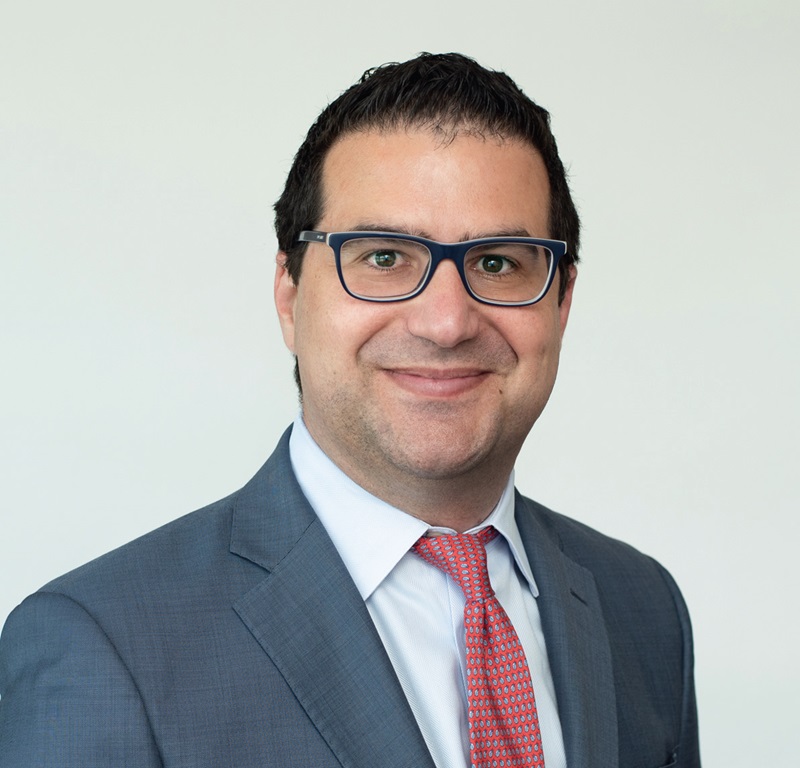 David Wolfe, an attorney and managing partner at Skoloff & Wolfe PC, said as much during the recent Newark Summit as he harkened back to the city’s last revaluation in 2013. That process was “catastrophic for commercial, industrial and multifamily owners” thanks to a dramatic shift in the tax burden, he said, but the firm’s early analysis suggests a slightly more forgiving outcome.
“(We) are more positive that the impact won’t be quite as negative this time around for the multifamily and commercial taxpayers,” Wolfe said. “But the ability for properties to transact over the next year will certainly be impacted by the pending reval. So being able to project what your taxes might be and being aware of the fact that it’s coming is something that taxpayers need to be able to start to wrap their minds around.”