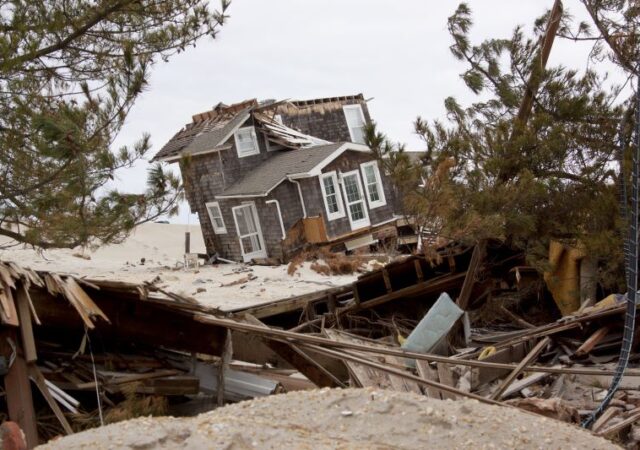
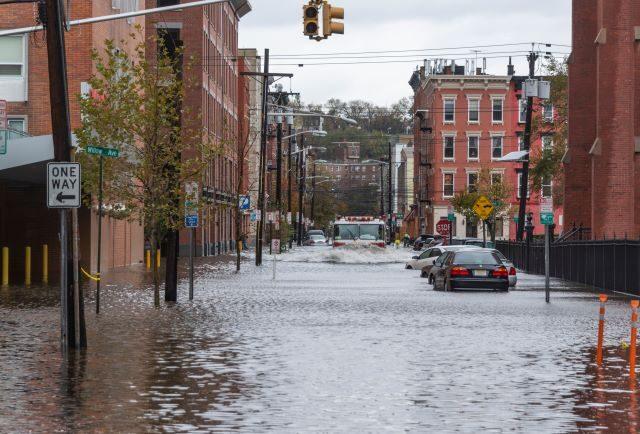
By AIA-NJ Superstorm Sandy happened 10 years ago last week. The American Institute of Architects New Jersey Chapter (AIA New Jersey) joins our state in reflecting on Superstorm Sandy and remembering the lessons learned. Our members have assisted residents throughout…
Current Issue
Go inside the latest monthly issue of Real Estate NJ, the only New Jersey-based magazine dedicated to commercial real estate in the Garden State.

Right at home: NJAA moves to Trenton, with advocacy looming ever larger after COVID crisis
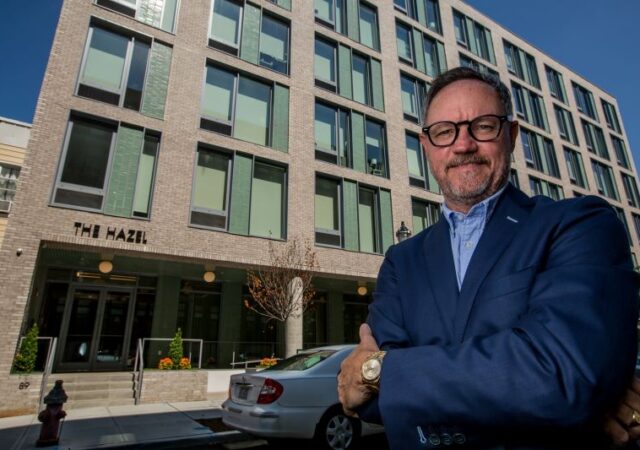
The New Jersey Apartment Association has changed its address, but there’s nothing unfamiliar about its new home in Trenton. The organization and its in-house team, previously based in Middlesex County, have long been a key voice in state politics and policymaking, advocating on behalf of a membership that owns and manages some 230,000 rental units.

Finite resources demand a new approach to investment decisions
Ten years ago, Superstorm Sandy slammed into New Jersey, killing 38 people, devastating coastal areas, inflicting billions of dollars in damage and causing power outages for millions of residents and businesses for weeks. For many, it was a turning point that changed the way they invested and did business. Given today’s accelerating pace of life-altering disruptions — the pandemic, inflation, Russia’s invasion of Ukraine, extreme weather events — I believe New Jerseyans are ready to modify their behavior to reduce their risk and financial exposure to the adverse impacts from climate change.
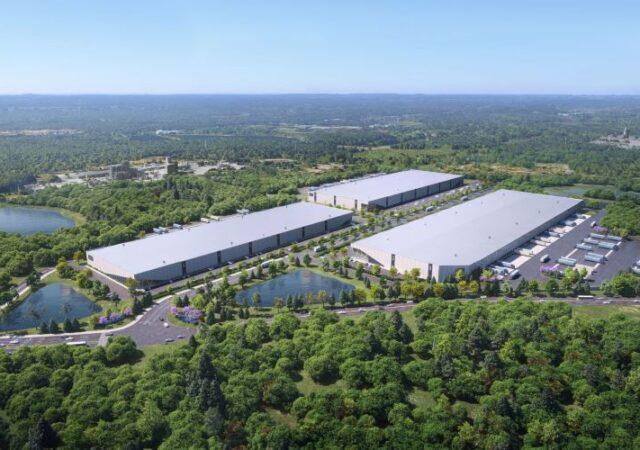
Massive ex-manufacturing site in Sayreville to be reborn as 1.1 million sq. ft. logistics hub
A long-dormant and formerly contaminated site in Sayreville, once home to gunpowder and chemical plants, is finding new life under a development that will add more than a million square feet of modern industrial space to the market in Central Jersey. The three-building Arsenal Trade Center also promises to bring new jobs and ratables to the Raritan Bay region. Experts say that, while players like Amazon are stepping back from warehouse and logistics expansion in the state, the market for such properties remains robust.
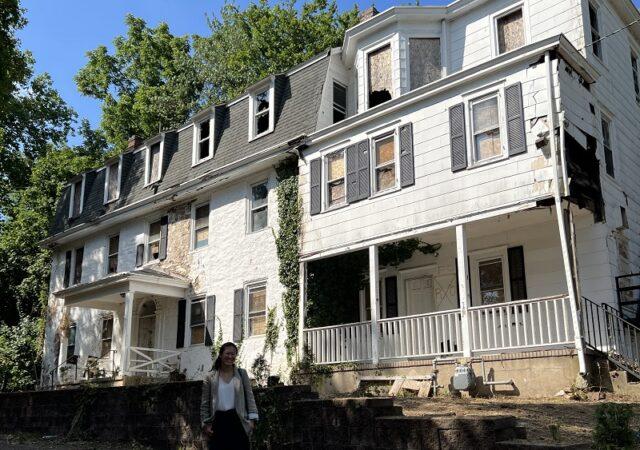
Nonprofit eyes rehab, expansion of Trenton home as permanent hub for living and learning
A nonprofit serving marginalized high school girls in Trenton has purchased a three-story house in the city that it now hopes to renovate into a permanent dwelling for the organization, one that would nearly quadruple its student population, while bringing its team of educators and administrators under one roof.

Buzzworthy
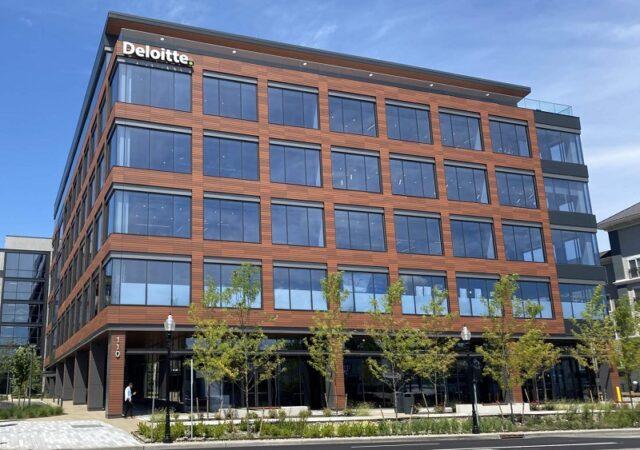
As you’ll read in this month’s cover story, the large, high-profile office deal is alive and well in the pandemic’s aftermath, as blue-chip employers make major investments in their physical footprint. That’s evident by several outsized leases in New Jersey this year of 100,000 square feet or greater, and market experts say there are likely more to come, as corporations look to support their growth while creating a “commute-worthy” environment for its distributed workforce.
Environmental justice: Restoring livability or Pandora’s box?
Enactment of the groundbreaking New Jersey Environmental Justice Law and the recently proposed rules to implement it are commendable efforts to improve conditions in communities burdened by decades of industrial pollution from Title V-covered facilities, notably solid waste facilities and power generation facilities. Although the proposed regulations appear not to currently impact the small-scale commercial and warehouse industry sectors, there is growing concern there will be a proliferation of municipalities adopting ordinances under the guise of environmental justice that are actually aimed at thwarting smart development and critical redevelopment and that broaden the types of regulated facilities.