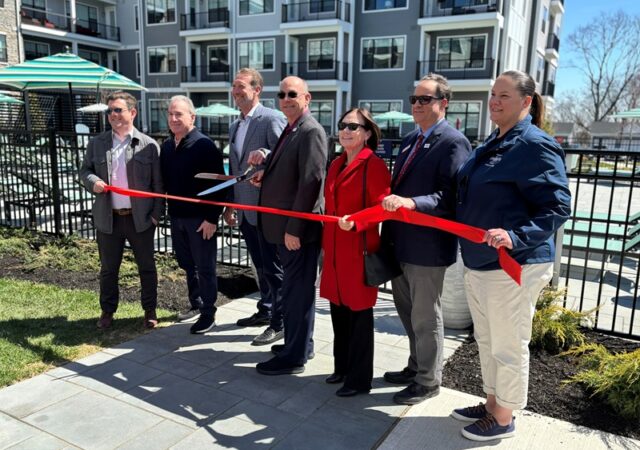
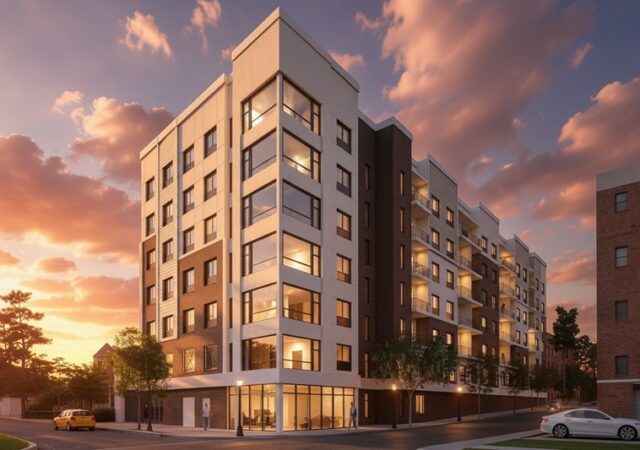
Plans for a new 68-unit apartment building in Plainfield are moving ahead with a key approval from city officials, according to a team with Taylor Architecture & Design.
Government & Public Policy
From zoning disputes to the federal tax code, public policy affects the commercial real estate sector far more than you may realize. For industry leaders, government and politics demand constant attention.
Turning early optimism into action
Gov. Mikie Sherrill took office with a clear mandate from New Jersey voters: make the state more affordable, more efficient and more competitive. For the commercial real estate (CRE) industry, that message matters because growth does not happen in a vacuum. It relies heavily on public policy that allows projects to move forward, capital to be deployed with confidence and employers to expand in places where workers can live, commute and thrive.
Good vibes
As you’ll read in this month’s cover story, the New Jersey Builders Association has been heartened by the earliest days of the Sherrill administration, with its focus on making New Jersey more affordable and government more efficient. The group points to steps such as the creation of the state’s first-ever chief operating officer, along with the governor’s pledge to launch a real‑time dashboard to track permits — steps that could provide a clearer path toward an expanded housing supply and lower costs for residents.