

Building up: The future of warehouse design in urban markets
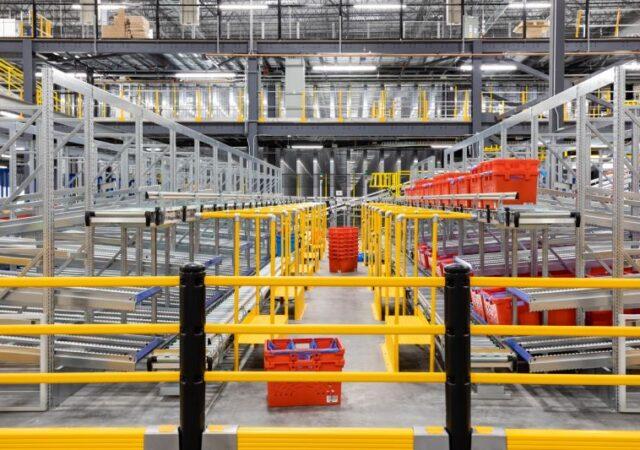
The ever-growing demand and need for prompt fulfilment is forcing businesses and developers to react to the market with more warehouse space that is closer to the consumer. When development footprint in the middle of major U.S. cities is high in price and in low supply, you must build up, not out — this has been the answer in the commercial and residential markets for decades.

No summer slowdown for CRE, but a time to reflect, recharge and reset before a busy fall
While there is a sense of uncertainty in the market due to rising interest rates and the fear of a possible recession on the horizon, we have not seen a slowdown in deal activity; however, for the first time in years, it does appear that clients and others in the industry are taking a minute to breathe to get a better sense of necessary market adjustments. Since the onset of COVID, we have not had a normal summer in that the last two years have been nonstop deal flow year-round. This year, for the first time in a long time, we are seeing clients take a week or two to go on vacation and enjoy time with family. This is completely normal, and quite frankly, much needed.

Interest expense is going up. Your taxes might be too.
The rising interest rates will directly affect real estate businesses operating across all asset classes. The ability to deduct interest expense for tax purposes has helped to alleviate some of the tax burden for business owners. However, the Tax Cuts and Jobs Act of 2017 (“TCJA”) imposed limitations on the deductibility of interest expense for certain taxpayers. For tax years beginning on or after January 1, 2022, some of the adjustments that increased the allowable deduction of interest expense for certain taxpayers have sunset. Accordingly, the sun-setting of these provisions may result in significant increases in taxable income for leveraged businesses subject to these rules. Understanding how the changes to the rules may impact your business now will enable you to properly manage your business’s cash flow and avoid any tax surprises next April.

What’s in store for New Jersey’s commercial real estate market in 2022?
Over the course of the pandemic, commercial real estate has experienced notable highs and lows. The current market has rebounded vigorously and now exceeds pre-pandemic levels. To learn what’s in store in 2022, we sat down with Cushman & Wakefield’s powerhouse New Jersey Capital Markets team. Founded by Andy Merin in 1987, the team has been involved in more than $34 billion in property sales throughout its tenure.

Reverse appeals can lead to unexpected property tax liabilities for commercial property owners
As the real estate market remains strong, and property values continue to rise across many asset classes, commercial property owners need to be aware of the growing trend with municipalities aggressively seeking to substantially increase tax assessments for commercial properties by filing their own tax appeals.

Applications underway for Aspire, a program poised to spur large-scale urban development
The New Jersey Economic Development Authority is now accepting applications for Aspire, an aggressive tax credit program that was designed to encourage redevelopment projects using incentive awards to reimburse developers for certain project financing gap costs. With high costs of construction and mandates at the municipal level related to affordable housing requirements as part of market-rate development projects, the need for a gap financing tool is critical and welcomed by those trying to operate in a tight market.

Preparing for your next DCA inspection — and new emergency contact info requirements
On Nov. 8, 2021, New Jersey enacted N.J.S.A. 55:13A-7.19, setting forth new requirements for landlords of multifamily dwellings. The law was designed to supplement the existing Hotel and Multiple Dwelling Law (N.J.S.A. 55:13A-1 et seq.), which is enforced by the Department of Community Affairs’ (“DCA”) Bureau of Housing Inspection. Under the new law, landlords of multifamily dwellings must provide tenants and prospective tenants with specific information regarding emergency contact instructions and how to contact social services for assistance.
Redevelopment trends: New York tristate’s redevelopment in turmoil
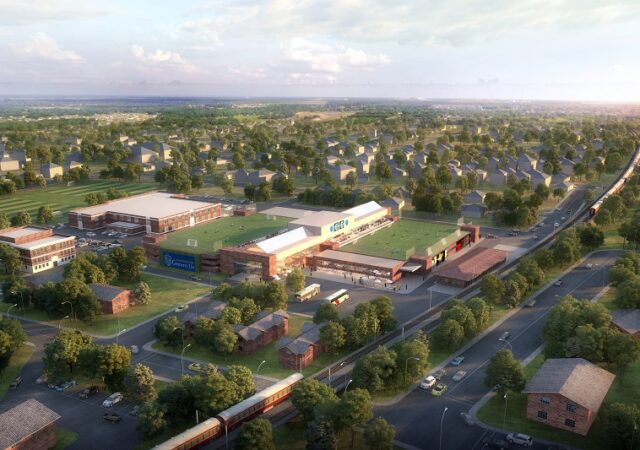
Redevelopment activity in the New York Tristate Region is searching for direction. Post-pandemic, there is pressure to redefine business, retail and residential redevelopment programs. The revised target forces everyone to take a longer look and a broader view of the various impacts this redefinition may bring.